We are proud to offer modern dental technology and techniques to our patients so you can enjoy the most comfortable, efficient, and effective dentistry possible.
Feel free to read on to learn more about the technology we use in our practice.
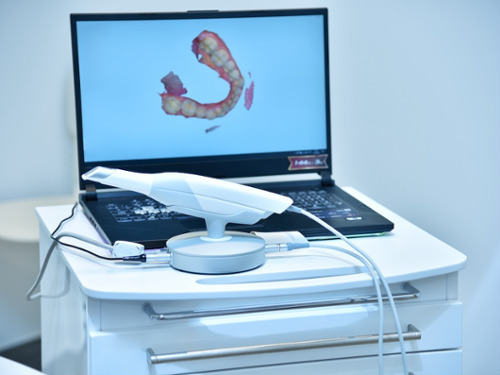
Intraoral Camera
What if you could see exactly what your dentist sees? You'd probably find it simpler to make informed decisions about your oral health!
Intraoral cameras allow you to do precisely that. Using a small digital camera embedded in a wand, the dentist can move it around your mouth and transmit the images instantly to a chairside monitor. This allows you to clearly see everything the dentist describes, including damage to the teeth and signs that might indicate periodontal disease.
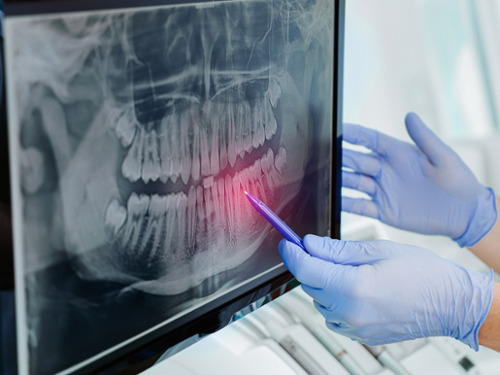
Digital X-Rays
Modern digital dental x-rays benefit patients in a number of ways:
- Digital x-rays expose patients to considerably less radiation than conventional film x-rays
- Digital x-rays require almost no time for development, reducing time spent waiting in the dental chair
- Digital x-rays allow for incredibly precise and accurate images for timely diagnoses
- Digital x-rays are securely stored in your digital file and can be securely sent to your insurance company or specialists, when necessary
- Because no chemicals are needed for developing and no space is needed for film storage, digital x-rays are better for the environment